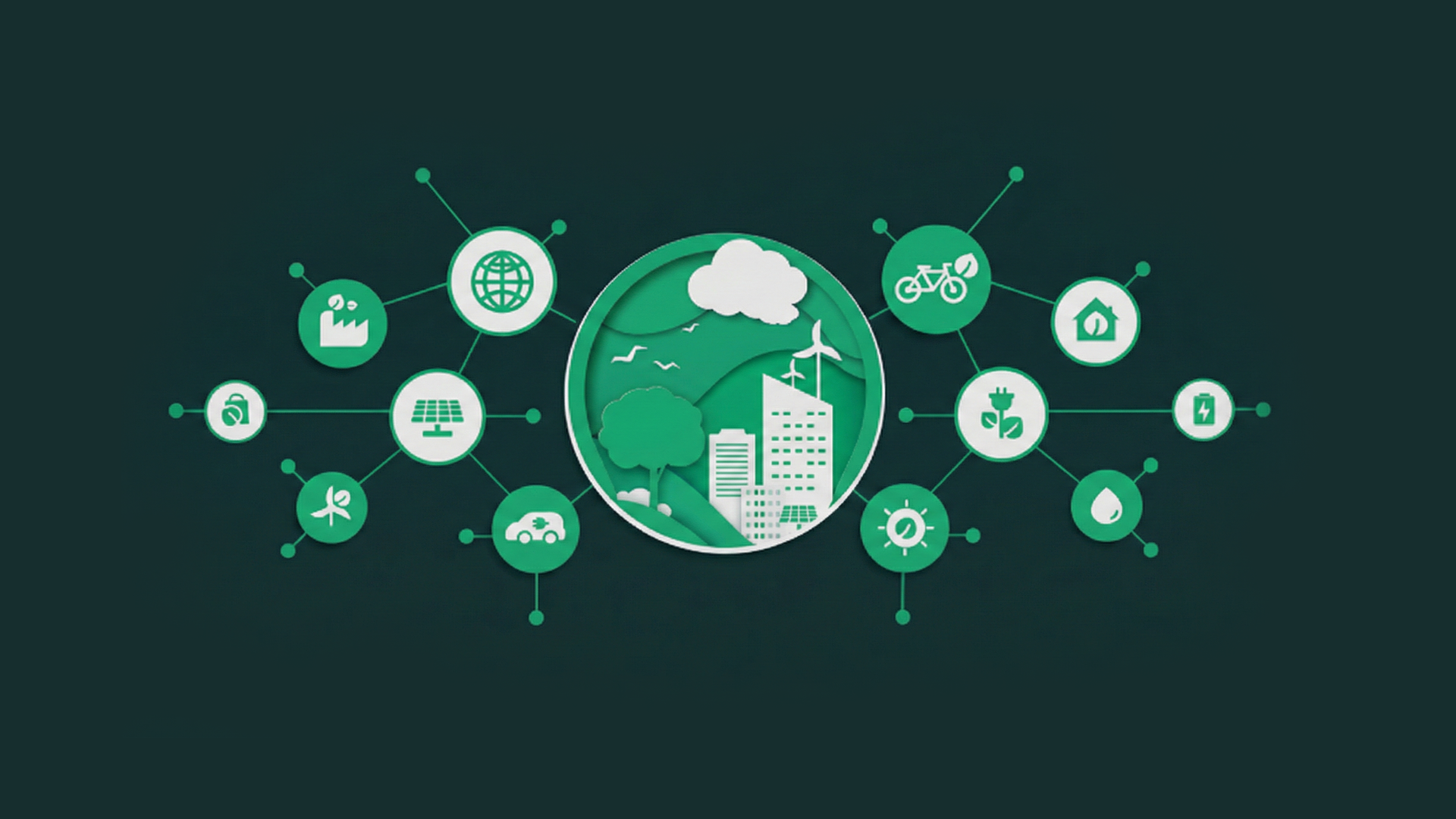
Organizations across sectors are increasingly aligning their strategies with the United Nations 2030 Sustainable Development Goals, a global framework supporting responsible and balanced growth. Strengthening Environmental, Social, and Governance (ESG) practices represents a key pathway toward this objective. ESG reflects an organization’s commitment to responsible operations, long-term value creation, and the consideration of environmental and social impact alongside financial performance.
Institutional Adoption of Sustainability Practices
Global trends show growing attention to sustainability disclosure and the adoption of ESG practices. Organizations are integrating environmental and social considerations into their strategies and operations, while transparency, accountability, and responsible practices continue to strengthen credibility and stakeholder trust.
Digital Transformation As An Enabler
Digital transformation involves integrating advanced technologies such as artificial intelligence, data analytics, and digital systems into organizational processes, enabling organizations to:
- Collect and analyze sustainability data more accurately.
- Monitor environmental performance in real time.
- Enhance transparency and reporting quality.
- Support responsible supply chain management.
These capabilities improve decision-making and support more consistent implementation of sustainability and ESG practices.
Operational and Institutional Value
The benefits of digital transformation extend beyond environmental and social impact. When applied effectively, digital tools contribute to:
- Improved operational efficiency
- Reduced resource waste.
- Better cost management.
- Strengthened transparency and accountability.
These outcomes support organizational resilience and reinforce long-term competitiveness.
Digital transformation is not only about adopting new technologies; it is about aligning innovation with responsibility and performance with purpose. Organizations that integrate digital capabilities with ESG practices are better positioned to create sustainable value and build lasting stakeholder trust.
As expectations evolve, the intersection of technology, sustainability, and governance will play an increasingly important role in shaping the future of organizations and the broader economy.